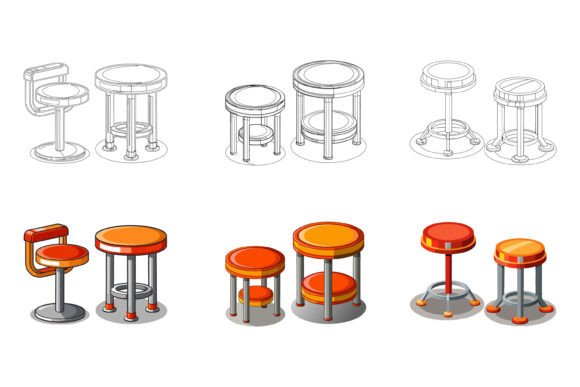
The Bar Chair: A Cultural and Design Icon Reimagined Through Digital Illustration
In the realm of furniture design, the bar chair stands as a unique and evocative symbol. It occupies a space between the casual comfort of a lounge and the structured formality of a dining setting. Its elevated seat and often minimal footprint speak to a specific function: facilitating conversation, relaxation, and social interaction in bars, kitchens, and commercial spaces. This piece of furniture, while seemingly simple, carries a wealth of design history and cultural significance. Today, the digital representation of such objects, like the bar chair, has become crucial for designers, marketers, and content creators. High-quality illustrations are not mere pictures; they are versatile tools for communication and branding.
The Essential Role of Vector Illustration in Modern Design Workflows
When discussing digital assets for professional use, the format and quality are paramount. An illustration set, particularly one centered around thematic objects like furniture, must offer flexibility and precision. This is where the value of a well-crafted AI EPS file collection becomes apparent. These files are not static images; they are mathematical descriptions of shapes, lines, and colors, which means they can be scaled to any size—from a tiny app icon to a large billboard print—without any loss of quality or sharpness. This scalability is fundamental for projects that require consistency across multiple media outputs.
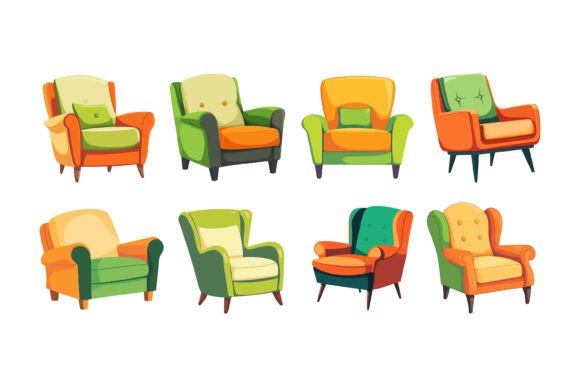
The bar chair, as a subject, benefits greatly from this vector approach. Its clean lines, distinct silhouette, and potential for stylistic variation—from a classic wooden stool to a sleek modern metal design—are perfectly suited for vector illustration. A designer can use a single, well-defined bar chair illustration across an entire brand identity system, ensuring the visual element remains crisp and recognizable everywhere it appears.
Key Characteristics of a Professional Illustration Set
What separates a generic clip-art image from a professional-grade illustration resource? The distinction lies in several critical features that directly impact usability and efficiency.
- File Format Compatibility: A collection offering both AI EPS and JPG files provides maximum utility. The AI EPS files are the native, editable source for Adobe Illustrator, the industry-standard vector software. The accompanying JPG files offer quick, ready-to-use previews or placements for situations where immediate use in non-design software is needed.
- Cross-Platform Accessibility: Being designed for both Mac and Windows users removes a common technical barrier. Design teams often use mixed operating systems, and an asset that works seamlessly on all ensures a smooth collaborative process.
- Organizational Structure: A neatly organized file and layer structure within the Illustrator document is a sign of expert craftsmanship. It allows users to easily isolate specific parts of the illustration. For a bar chair, this might mean separate layers for the seat, the legs, the backrest, and any decorative elements, enabling quick customization.
- Detail and Consistency: Perfection in details and consistency across an entire set means every illustration meets the same high standard of line weight, color application, and stylistic treatment. This is vital when using multiple illustrations from the set together in a single layout or infographic.
Practical Applications: Where Bar Chair Illustrations Come to Life
The uses for a high-quality bar chair illustration, provided in a versatile EPS format, are extensive and cross-disciplinary. Their utility extends far beyond a simple depiction of furniture.
For Print and Web Media
In print collateral such as brochures for a restaurant, bar, or furniture manufacturer, a clean bar chair illustration can serve as a key visual element. On websites, it can be used in hero images, product category pages, or as part of a graphical narrative about atmosphere and experience. The vector format ensures the image looks perfect on screen and when translated to physical printing.
Symbols and User Interface Design
In the context of symbols and apps, a simplified bar chair icon can become an intuitive navigational element. It could represent a “bar” or “lounge” section in a hospitality app, a furniture category in an e-commerce interface, or a location pin for a venue on a map. The ability to easily edit and modify the icon, perhaps changing its color to match a brand’s theme or simplifying its shape for a smaller footprint, is a direct advantage of the editable EPS file.
Infographics and Educational Content
For educators, researchers, or bloggers creating content about interior design, history of furniture, or commercial space planning, illustrations are indispensable. An infographic comparing different chair types, for example, would require clear, consistent illustrations. A bar chair illustration from a reliable set can be easily integrated into such a diagram, and its colors can be altered to match the infographic’s palette, highlighting specific features or materials.
Advantages of an Editable and Modifiable Asset
The phrase “you can edit it, change colors and modify the icon so easily according to your needs” encapsulates the core practical benefit. This is not a locked asset. A professional working on a client’s brand that uses a specific shade of blue can modify the bar chair illustration to incorporate that exact blue into its frame or seat. A hobbyist creating a personal project for a home bar concept can add custom textures or adjust the proportions. This level of control saves immense time compared to trying to create a comparable vector illustration from scratch, which requires significant skill in drawing and software mastery.
Furthermore, modification goes beyond color. The structure itself can be adapted. Perhaps the basic bar chair needs a footrest added for a specific technical drawing, or the backrest needs to be removed to depict a simple stool. With a well-layered EPS file, these changes are logical and straightforward, allowing the asset to serve multiple derived purposes without requiring multiple separate files.
Considerations for Potential Users
While the advantages are clear, users should align the asset with their specific needs. The primary consideration is software access: to fully exploit the editable EPS features, one needs access to Adobe Illustrator or a compatible vector graphics editor. For those who only need the pre-made JPG for occasional use, this is less critical. Also, the stylistic treatment of the bar chair in the set—is it modern, rustic, minimalist?—should match the intended project’s aesthetic. A collection that emphasizes perfection in details likely leans towards a realistic or clean graphic style, which is suitable for a broad audience including business owners creating professional catalogs or app developers seeking clear UI symbols.
The Intersection of Design Objects and Digital Resources
Ultimately, the discussion of a bar chair illustration set highlights a larger trend: the digitization of design elements for practical reuse. Objects from our physical world, especially iconic ones like the bar chair, are translated into precise digital form to serve as building blocks for visual communication. This process empowers a wide range of people—from professional graphic designers at agencies to small business owners crafting their own menus, to educators building engaging lesson materials.
The bar chair, in its illustrated form, becomes more than furniture. It becomes a visual shorthand for concepts like socializing, leisure, interior design, and commercial hospitality. Its representation in a high-quality, editable EPS format ensures that this shorthand can be clearly and consistently communicated across the myriad channels that define our modern digital and physical landscapes. The focus is on providing a reliable, adaptable tool that enhances the creator’s workflow, regardless of their specific profession or project goal. The utility lies in the asset's ability to be seamlessly integrated, modified, and scaled to fit the task at hand, making it a resource that prioritizes the end-user’s creative freedom and practical requirements.