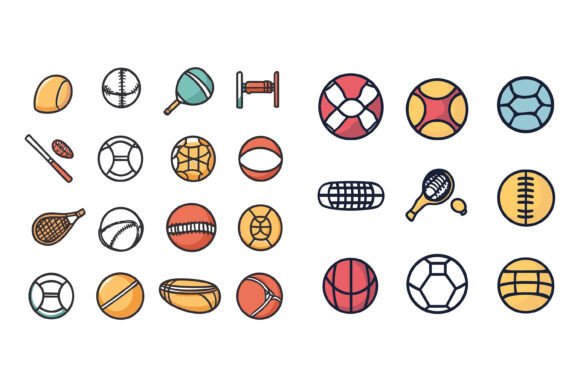
Illustrating Sports Equipment: A Practical Guide for Creators
Visual communication is a powerful tool, especially when discussing Sports Equipment. Whether you're designing a website for a new fitness brand, creating marketing materials for a local sporting goods store, or developing an educational app about exercise, high-quality illustrations are essential. They convey function, inspire action, and build trust. Many creators, however, rush into choosing visual assets without considering the long-term flexibility and technical quality they need, leading to frustrating bottlenecks in their projects.
The Hidden Costs of Low-Quality Sports Equipment Graphics
A common oversight is prioritizing immediate cost or superficial appearance over file utility. You might find a seemingly perfect JPG image of a detailed mountain bike or a set of tennis rackets, but if it’s a flat, non-editable file, its usefulness is severely limited. Imagine you need to adapt that bike illustration for a mobile app icon, requiring a simplified silhouette, or you need to change the color scheme to match a client’s brand overhaul. With a static JPG, you’re stuck. You'd have to search for another asset, pay again, or spend hours manually editing in a pixel-based program, often sacrificing quality. This mistake directly impacts project efficiency, final presentation quality, and overall cost as you accumulate multiple one-use files.
Why Vector Format Matters for Sports Imagery
Sports Equipment is dynamic; illustrations need to be equally adaptable. This is where the distinction between raster (like JPG) and vector (like AI EPS) formats becomes critical. A vector file is built from mathematical paths, not pixels. This means you can scale a detailed illustration of a football helmet or a running shoe from a tiny app symbol to a massive billboard poster without any loss of detail or sharpness. It remains crisp. For professionals who create across multiple media—print brochures, web banners, infographics—this scalability is non-negotiable. Always check the core file formats offered before purchasing any illustration pack. An EPS or AI file is a sign of professional-grade, future-proof assets.
Avoiding the Pitfall of Poor File Organization
Another frequent frustration is encountering a downloadable bundle of Sports Equipment icons that is internally chaotic. You open an EPS file expecting to easily isolate a single yoga mat or dumbbell icon, only to find hundreds of unlabeled layers, or all equipment merged into one inseparable object. This disorganization wastes valuable time for entrepreneurs, marketers, and freelancers who are already managing tight deadlines. The "neatly organized file and layer structure" mentioned for special collections is not a luxury—it’s a fundamental requirement for practical use. It allows you to edit, modify, or remove elements without affecting the entire set.
Before committing to a graphic pack, look for a creator or store that transparently mentions this organization. A good practice is to seek out example screenshots of the layer panel or to read user reviews that specifically comment on ease of editing. This small step of due diligence saves hours of technical hassle later.
Consistency in Detail and Style
When building a series of materials, visual consistency establishes credibility. A mistake here is piecing together Sports Equipment illustrations from disparate sources. One baseball bat might be in a hyper-realistic 3D style, while a basketball is a cartoonish flat design, and a pair of running shoes is an outdated clip-art icon. This mix-and-match approach creates a confusing, amateurish visual language for your audience. It undermines the professional message you’re trying to convey about the equipment itself.
The better approach is to source a comprehensive set from a single collection designed with a unified aesthetic. This ensures that every piece of equipment, from a complex kayak to a simple water bottle, shares the same line weight, color palette treatment, and level of detail. This perfection in details and consistency across the set makes your final work—whether it's a poster, a series of blog graphics, or an app interface—look cohesive and intentionally crafted.
Practical Applications: From Print to Interactive Media
The true test of a great illustration set is its versatility across applications. Many buyers think only of their immediate need, perhaps "a graphic for a website header." But consider the full lifecycle of your project. Today it's a web banner; tomorrow you might need symbols for a community sports club's mobile app; next month, you could be designing an printed infographic about equipment safety for an educator's workshop.
- Suitable for Print & Web: A quality vector set resolves the resolution issues for both mediums seamlessly.
- Symbols & Apps: The ability to easily extract and simplify an icon makes it perfect for UI/UX design.
- Infographics: Modular, editable elements allow you to build custom diagrams explaining equipment use or comparisons.
This multi-use suitability protects your investment. You are not buying a single graphic; you are acquiring a robust visual toolkit for all your Sports Equipment communication needs.
The Empowerment of Easy Customization
Finally, a key misunderstanding is that professional illustrations are "final" and shouldn't be altered. The opposite is true. The best assets empower you to adapt them to your specific context. The ability to "edit it, change colors and modify the icon so easily" is central to value. For example, a set might include a generic gray treadmill. As a marketer for a brand that sells blue treadmills, you can instantly recolor it to match. As a blogger comparing high-end vs. basic home gym equipment, you could modify the same treadmill icon to add or remove details, creating two distinct versions for your comparison article. This flexibility lets you tailor the communication without requiring new illustration skills or costly custom commissions.
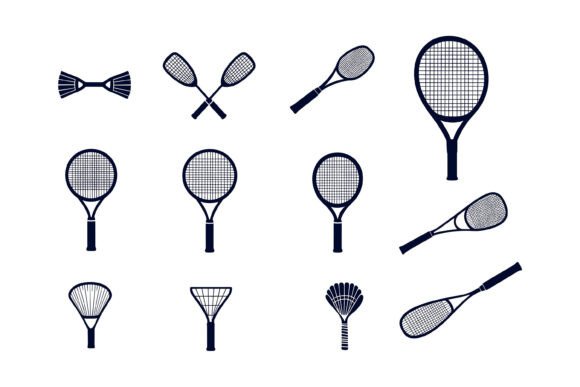
When evaluating any Sports Equipment illustration collection, move beyond just browsing the preview images. Ask yourself the practical questions: Can I truly edit every element? Are the files organized for a non-expert to use? Will this style remain consistent across all my required pieces of equipment? Does it scale for every medium I might explore? Choosing a set that answers "yes" to these questions—like a specialized AI EPS collection designed for cross-platform use—is a corrective step away from common pitfalls. It puts you in control of your visual content, saving time, money, and ensuring your final presentations about Sports Equipment are as clear, professional, and effective as the message you intend to send.