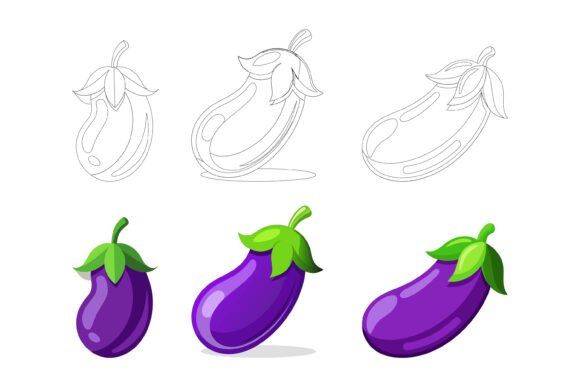
Unlocking Creativity with Eggplant: Your Gateway to Professional Illustration
In the digital design world, having a robust, adaptable set of illustrations can be the difference between a project that feels generic and one that communicates with clarity and style. This is where collections like our Eggplant AI EPS illustration set become invaluable. For creators across disciplines—from marketers crafting a campaign to educators designing learning materials—a well-structured illustration library isn't just a convenience; it's a foundational tool. Yet, the journey from downloading a file to effectively integrating it into your work is where many stumble, often due to overlooked details that can compromise the entire effort.
The Common Pitfall: Treating Illustrations as Static Images
A fundamental misunderstanding many beginners and even seasoned professionals encounter is viewing downloadable illustration sets as mere collections of JPG pictures. When you see "AI EPS and JPG" included, the JPG might seem like the quick, usable file. However, relying solely on the JPG format is a critical error. The JPG is a flattened, raster image. If you need to adjust the scale for a large print banner, change a color to match your brand palette, or isolate a single icon for an app interface, the JPG file will fight you. It lacks the editable layers and vector paths that the AI EPS file provides. This mistake directly affects your efficiency and the final quality, leading to pixelated enlargements or hours wasted trying to edit a static image in software that isn't designed for it.
The better approach is immediate: always prioritize the vector file. Our Eggplant set’s AI EPS format is designed for both Mac and Windows users and opens in Adobe Illustrator or similar vector software. This is where the "neatly organized file and layer structure" proves its worth. Before you even start designing, open the EPS file and spend five minutes exploring the layers. Understand how components are grouped. This simple audit will save you from frustration later when you need to modify an element quickly.
Overlooking the "Suitable for" Scope: A Missed Opportunity
The list of applications—print, web, symbols, apps, infographics—is not just marketing copy; it’s a specification guide. A common oversight is using an illustration designed with thick lines and fine details for a tiny mobile app icon, where those details will vanish. Conversely, using a simplistic web-optimized icon in a large-scale print brochure might look amateurish. The Eggplant collection is built with "perfection in details and consistency," meaning its elements are crafted to maintain integrity across these uses, but you must apply them thoughtfully.
For example, before placing an illustration into your infographic, consider the final medium. If it's for a social media carousel, test the EPS file by exporting a section at the exact pixel dimensions you'll use online. Check for clarity. For print, ensure your software is using the correct color profile. This pre-check ensures the versatility promised translates into real-world versatility in your projects.
The Illusion of Easy Editing Without Preparation
"You can edit it, change colors and modify the icon so easily" is a true feature, but "easily" requires a minimal foundation. Users sometimes dive in attempting to change colors without understanding global swatches or layer isolation, leading to inconsistent modifications across the set. The advice here is corrective but simple: utilize the organization provided. If the file uses a coherent color layer or grouped paths, edit there to propagate changes throughout related elements. This maintains the "consistency" that is key to professional results. Before buying any illustration set, a savvy user should check not just the preview images, but whether the vendor describes the internal structure. A promise of organized layers, like with Eggplant, is a signal that editing will be genuinely streamlined.
Neglecting the Cross-Platform Promise
In a collaborative environment, a teammate on a Mac might receive a file from a Windows user and encounter issues. Our specification that Eggplant is designed for both platforms is a direct solution to this common workflow hiccup. The mistake is assuming all EPS files are universally flawless across operating systems and software versions. A practical step to avoid this is, upon downloading, to open the core AI EPS file on your primary system and perform a test edit—like moving a layer and saving. Then, if possible, test it on the secondary platform. This quick verification safeguards your team's productivity and ensures the asset performs as advertised in your mixed ecosystem.
The Decision Point: What to Evaluate Before You Buy
Moving toward a purchase decision, the checklist goes beyond just liking the artistic style. First, evaluate the format inclusivity. Does it offer the vector EPS, not just PNGs or JPGs? Second, scrutinize the claims about organization. Look for sample screenshots of the layer panel if available. Third, consider the true scope of your projects. Will these illustrations serve your needs for print and web, as Eggplant does? Finally, assess the editing promise. Does it seem like you can modify colors without deep expertise? By focusing on these technical and practical facets, you shift from being a passive consumer to an empowered user, ensuring your investment enhances your design capability rather than becoming a decorative but unusable download.
Choosing a resource like the Eggplant AI EPS illustration set wisely means embracing it as a dynamic toolkit. Its value is unlocked not in the instant of download, but in the thoughtful integration into your creative process. By avoiding the common mistakes of format misuse, scope neglect, and unprepared editing, you leverage its full potential for communication across media. This transforms your presentations, marketing materials, and educational content, delivering satisfaction and professional results that resonate with your audience. So, equipped with this understanding, you are ready to move from contemplation to creation.