The Ergonomic Chaise Lounge: A Deep Dive into Form, Function, and Visual Representation
The Anatomy of an Ergonomic Chaise Lounge
An ergonomic chaise lounge is far more than a stylish recliner. It represents a careful intersection of biomechanical research, material science, and user-centric design. Unlike traditional chaise lounges that prioritize aesthetics alone, the ergonomic variant is engineered to support the natural curvature of the spine, distribute body weight evenly, and minimize pressure points during extended periods of relaxation. The core structure typically features a contoured seat that follows the body's S-shaped spine, a gently inclined backrest, and a leg rest that elevates the lower limbs to promote circulation. Many models incorporate a pelvic tilt mechanism that encourages the user to maintain a neutral posture without conscious effort. The armrests are positioned to reduce shoulder tension, while the headrest cradles the cervical spine. This holistic approach transforms passive sitting into an active recovery experience, making the ergonomic chaise lounge a vital tool for anyone seeking restorative rest.
Why Ergonomics Matter in Leisure Furniture
Leisure furniture often gets overlooked in ergonomic discussions, which tend to focus on office chairs and workstations. However, the human body accumulates strain even during relaxation if support is inadequate. Slouching on a poorly designed chaise can compress the lumbar discs, restrict breathing, and lead to muscle fatigue. An ergonomic chaise lounge directly addresses these issues by mimicking the zero-gravity position first studied by NASA. In this posture, the angle between the torso and thighs opens to approximately 128 degrees, reducing spinal load and enhancing blood flow. For individuals with chronic lower back pain, sciatica, or tension headaches, switching to an ergonomic chaise lounge can be transformative. It allows the para-spinal muscles to release fully, which is difficult to achieve even in a well-designed mattress. The long-term benefits include improved sleep quality, reduced inflammation, and a lower risk of postural deformities.
Key Features That Define an Ergonomic Chaise Lounge
Identifying a genuinely ergonomic chaise lounge requires looking beyond marketing claims. The most critical elements are adjustability, targeted support zones, and pressure relief. A high-quality piece will offer independent adjustment for the head, back, and leg sections, often through a smooth, gas-spring or motorized system. Lumbar support should be built into the frame rather than relying on a removable cushion that can shift out of place. The seat pan must have a waterfall edge to alleviate pressure behind the knees, while the upholstery should combine firmness with enough give to accommodate hip width variations. Breathable fabrics or mesh inlays help regulate temperature, preventing the discomfort of heat buildup. Additionally, the base should be stable yet allow subtle rocking or gliding motions, which engage micro-movements that keep the spine active and nourished with synovial fluid. These features work in concert to create a dynamic sitting environment, even when the user is near motionless.
Material Choices and Their Impact on Comfort
The materials selected for an ergonomic chaise lounge directly influence its performance and longevity. Memory foam, while popular, can trap heat and degrade quickly unless it is high-density and paired with a cooling gel layer. More advanced designs use a combination of high-resilience polyurethane foam and natural latex, which provides superior bounce-back and conforms precisely to the body without a sinking sensation. The frame supports the entire structure; tempered steel and laminated hardwood are preferred for their ability to withstand repeated stress without warping. For outdoor or spa environments, weather-resistant materials such as powder-coated aluminum and solution-dyed acrylic fabrics ensure the ergonomic properties remain intact despite UV exposure and moisture. The stitching and seam placement also matter—flat seams prevent chafing, and reinforced double-stitching preserves the shape of the cushioning over years of daily use. Even small details like the choice of thread can affect durability and user satisfaction.
The Role of Adjustability in Long-Term Use
No two bodies are identical, which is why a one-size-fits-all approach fails in ergonomic design. A truly effective ergonomic chaise lounge offers a range of adjustments that cater to different heights, weights, and flexibility levels. Some models feature a pivoting lumbar panel that moves with the user as they recline, ensuring continuous contact with the lower back. Others allow the headrest to tilt forward or backward to support activities like reading or watching a screen without straining the neck. For those who share the furniture, quick-adjust levers and memory settings make it easy to switch between configurations. Even the armrests can often be widened, narrowed, or rotated to accommodate broad shoulders or narrow frames. This personalization is not a luxury—it is essential for preventing repetitive strain injuries and allowing the body to find its optimal resting position. Over time, the ability to fine-tune the chaise lounge means fewer aches, better relaxation, and a noticeable improvement in everyday energy levels.
Integrating Ergonomic Chaise Lounges Into Your Living or Work Space
While traditionally associated with poolside leisure or boudoir elegance, the ergonomic chaise lounge has found a place in modern home offices, wellness studios, and corporate relaxation rooms. In a hybrid work setting, a compact ergonomic chaise provides a dedicated zone for mental breaks, creative thinking, or even seated meditation. Its aesthetic can range from minimalist Scandinavian to plush contemporary, allowing it to blend seamlessly with existing decor. For architects and interior designers, specifying an ergonomic chaise lounge in a residential project sends a clear message about prioritizing occupant well-being. In commercial spaces, such as high-end lounges or healthcare facilities, these furnishings convey a commitment to comfort and recovery. Placement matters: positioning the chaise near a window with natural light can amplify its restorative effects, while adding a side table for hydration and a reading lamp creates a holistic wellness nook. The key is to treat the chaise not as an occasional piece but as a core part of a health-conscious environment.
Visualizing Comfort: How High-Quality Illustrations Enhance Design Projects
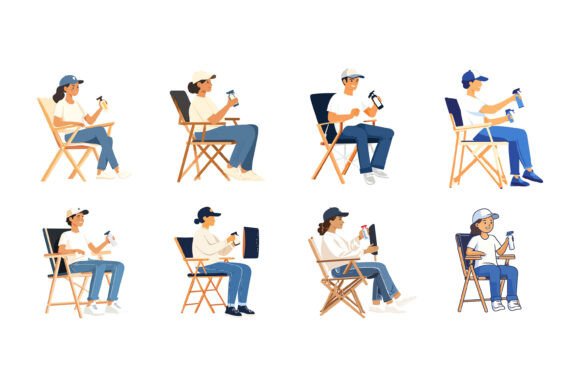
For professionals in interior design, product marketing, and e-commerce, conveying the benefits of an ergonomic chaise lounge visually is a significant challenge. Static photographs can only show so much; they often fail to communicate the adjustability, the flow of the contours, or the material texture. This is where high-quality vector illustrations become indispensable. They allow designers to create clean, scalable graphics that highlight anatomical features, color options, and room layouts without the distraction of photographic noise. A well-structured illustration set can showcase the chaise from multiple angles, demonstrate its range of motion, and integrate it into infographics that explain posture science to consumers. Moreover, vector files are essential for responsive web design, app interfaces, and print collateral ranging from brochures to large-format trade show banners.
Hello Welcome to our Special AI EPS Collections. What makes these Ai EPS illustration set special for You - Illustration. File includes - AI EPS and JPG - Designed for Mac and Windows users. - Neatly organized, file, and layer structure. - Perfection in details and consistency. - Suitable for print, web, symbols, apps, infographics. - You can edit it, change colors and modify the icon so easily according to your needs. So what are you waiting for Buy now and start using this awesome illustration.
In practice, such a collection empowers a design team to quickly prototype a furniture catalog, adapt the ergonomic chaise lounge illustration for a mobile app interface, or create educational diagrams for physical therapists explaining optimal sitting postures. The neatly organized layers in AI and EPS formats mean that isolating the lumbar support mechanism or the reclining angle is a matter of a few clicks. Consistency across the set ensures that when the chaise appears next to other lifestyle products, the visual language remains cohesive. For professionals using both Mac and Windows platforms, cross-compatibility removes workflow friction. Ultimately, this fusion of ergonomic expertise and precise visual tools bridges the gap between abstract comfort concepts and tangible consumer understanding, making it easier to communicate value and drive informed purchasing decisions.